A historical overview of massage
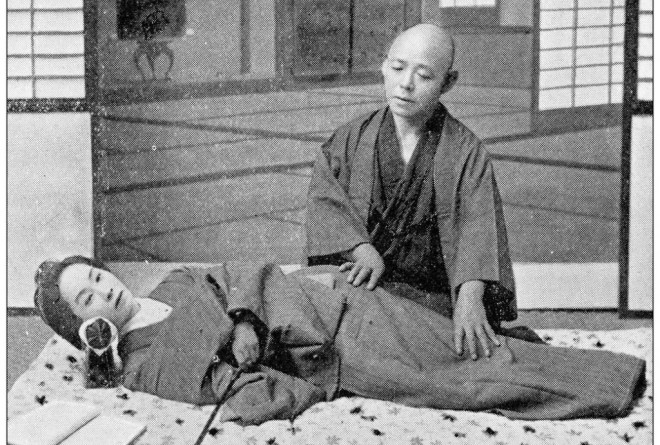
The practice of using touch as a method of healing originates from customs and techniques whose roots lie in ancient history.
Ancient civilizations in both the East and the West discovered that natural therapies and massage could heal injuries, relieve pain, and prevent illness. In addition, touch helped reduce stress and induce deep relaxation.
In ancient times, healing through massage was sacred in all cultures, until it acquired a disreputable image toward the end of the late Roman era.
-In India, the practice of massage began around 3000 BC and according to other sources even earlier. It is part of the Ayurveda system, which is considered the traditional system of medicine in India.
-The first written documents about massage come from Egypt as well as China.
In Egypt, ancient columns depict people giving massages to one another. Egyptians are also often credited with the invention of reflexology around 2500 BC.
Traditional Chinese massage developed through Chinese medicine by Buddhist and Taoist monks, who believed that contact through touch was important for the development of the spirit and the relaxation of the body.
– Around 1000 BC, Japanese monks studying Buddhism in China also observed the therapeutic methods of traditional Chinese medicine, including massage. Subsequently, Japan developed its own traditional Japanese massage (anma), which later evolved into Shiatsu.
-Massage, originating from Eastern philosophies and practices, spread to Western civilization around the 8th century BC.
Athletes in ancient Greece practiced massage in order to keep their bodies in the best possible condition before competitions and to eliminate the accumulation of waste products in their muscles. Physicians of the time used herbs and oils, in combination with massage techniques known as “anatripsis,” to treat various ailments, including intestinal disorders.
In the 5th century BC, Hippocrates described “rubbing” as a means of healing physical injuries and taught his students the benefits of rubbing for the body’s self-healing. Moreover, he promoted a combination of massage with proper diet, exercise, rest, fresh air, and music in order to maintain the body in a healthy state.
In Rome, during the 1st century AD, Galen, a strong supporter of Hippocratic principles, adopted the theory of combining exercise, healthy nutrition, rest, and massage as integral components for recovery and the maintenance of bodily health. During his time, public baths were created where bathers also received massage services combined with the application of oils to the body to improve skin quality.
-Massage as a therapeutic means subsequently fell into obscurity in Western civilization.
The flourishing of Arabic medicine in the 10th–11th centuries AD contributed to the spread of therapeutic baths and massage in Turkey and Persia, while the Middle Ages kept European countries away from natural methods of physical rehabilitation due to an aversion to bodily pleasures. Nevertheless, even during this dark period of our history, written documents exist that refer to its therapeutic properties, such as those by the French physician Ambroise Paré (16th century).
– Toward the end of the 19th century, physicians in Europe and America began to show keen interest in the effects of massage on the human body. In the early 1800s, a Swedish doctor, Per Henrik Ling, developed what is known today as Swedish massage.
Progress was also made in England by the physician Matthias Roth, who studied Ling’s system. Two physician brothers, George and Charles Taylor, introduced Swedish massage techniques to America in 1856 and invented the first massage device in 1864.
Further developments were recorded through the work of the Dutch physician Johann Mezger (1839–1909), who linked massage results and benefits to rehabilitation and the treatment of many diseases and disorders.
Physicians in all the countries mentioned, influenced by the research of their colleagues, began encouraging nurses to be trained in the art of massage. Psychoanalysts such as Sigmund Freud (1856–1939) used massage to calm and soothe their patients. The Austrian physician Wilhelm Reich—Freud’s student—developed the theory that massage could help reduce psychological tension (a theory that ancient civilizations had taken for granted in their time).
Around the same period, reflexology and aromatherapy also began to be systematically studied by the medical community.
The growing understanding of the nervous system and its role in pain relief confirmed the results of therapy through pressure applied to specific zones of the human body.